
Irregular or missed periods
Cycles longer than 35 days, fewer than 8 periods a year, or months with no period.
Irregular periods, acne, unwanted hair, stubborn weight or trouble getting pregnant? These are often linked to PCOS (PCOD). Our gynaecologists help you get a clear diagnosis and a practical plan you can follow.

Polycystic ovary syndrome (PCOS), often called PCOD in India, is a common hormonal condition in which the ovaries don’t release an egg regularly. It can cause irregular periods, acne, excess hair growth, weight gain and difficulty conceiving. It can’t be cured permanently, but it can be managed very well with lifestyle changes and treatment.
Symptoms vary from woman to woman. You may have just one or two, and you don't need all of them for PCOS to be the cause.
Cycles longer than 35 days, fewer than 8 periods a year, or months with no period.
Thick, dark hair on the face, chin, chest, stomach or back (hirsutism).
Persistent acne along the jaw, chin or back, beyond the teenage years.
Weight gain, especially around the waist, that is hard to lose.
Irregular ovulation is one of the most common treatable causes of infertility.
Hair fall or thinning on the scalp, often at the crown.
Velvety dark skin on the neck, underarms or groin, a sign of insulin resistance.
Low mood, anxiety, fatigue or snoring can also be linked to PCOS.
This isn't a diagnosis. It's a simple guide to help you decide your next step.
PCOS affects hormones and how your body uses insulin. Left unmanaged for years, it can raise your risk of other health problems. Managed early, most of these risks fall.
Consultation, tests and ultrasound are coordinated at the same hospital, so you don't have to go elsewhere.
Your gynaecologist asks about your cycle history, symptoms, weight changes, family history and goals.
Weight, BP, waist, and checks for skin and hair changes. Done privately, with a female attendant present.
Hormones, thyroid, prolactin, blood sugar and cholesterol as advised, to confirm PCOS and rule out look-alikes.
Shows the ovaries and uterine lining. Your doctor will advise which scan is suitable for you.
How doctors confirm it: PCOS is usually diagnosed when two of these three are present, after other causes are ruled out: irregular or absent ovulation, signs of high male hormones (in symptoms or blood tests), and polycystic-appearing ovaries on ultrasound.
Choose your main goal to see how treatment is usually planned. Your doctor will tailor it to your reports and health.
The aim is regular periods and a protected uterine lining.
Most women see changes in their cycle within about 3 months of following a plan.
The aim is regular ovulation and a healthy pregnancy.
The aim is to lower the effect of male hormones on skin and hair.
The aim is better sugar control, energy and lower long-term risk.
Steady changes you can keep up work better than crash diets.
Medication and procedures are advised only after consultation. This page doesn't replace medical advice.
Lifestyle changes are the first step of every PCOS plan and help any medicine work better.


PCOS care needs follow-up, not a single prescription. Our team plans your treatment around your age, symptoms and life stage.
 Gynaecology
MBBS, MS (OBG), DNB, MRCOG, FICRS
Focus: Pregnancy care, high-risk pregnancy, PCOS, gynaecological surgery
MBBS, MS (OBG), DNB, MRCOG, FICRS
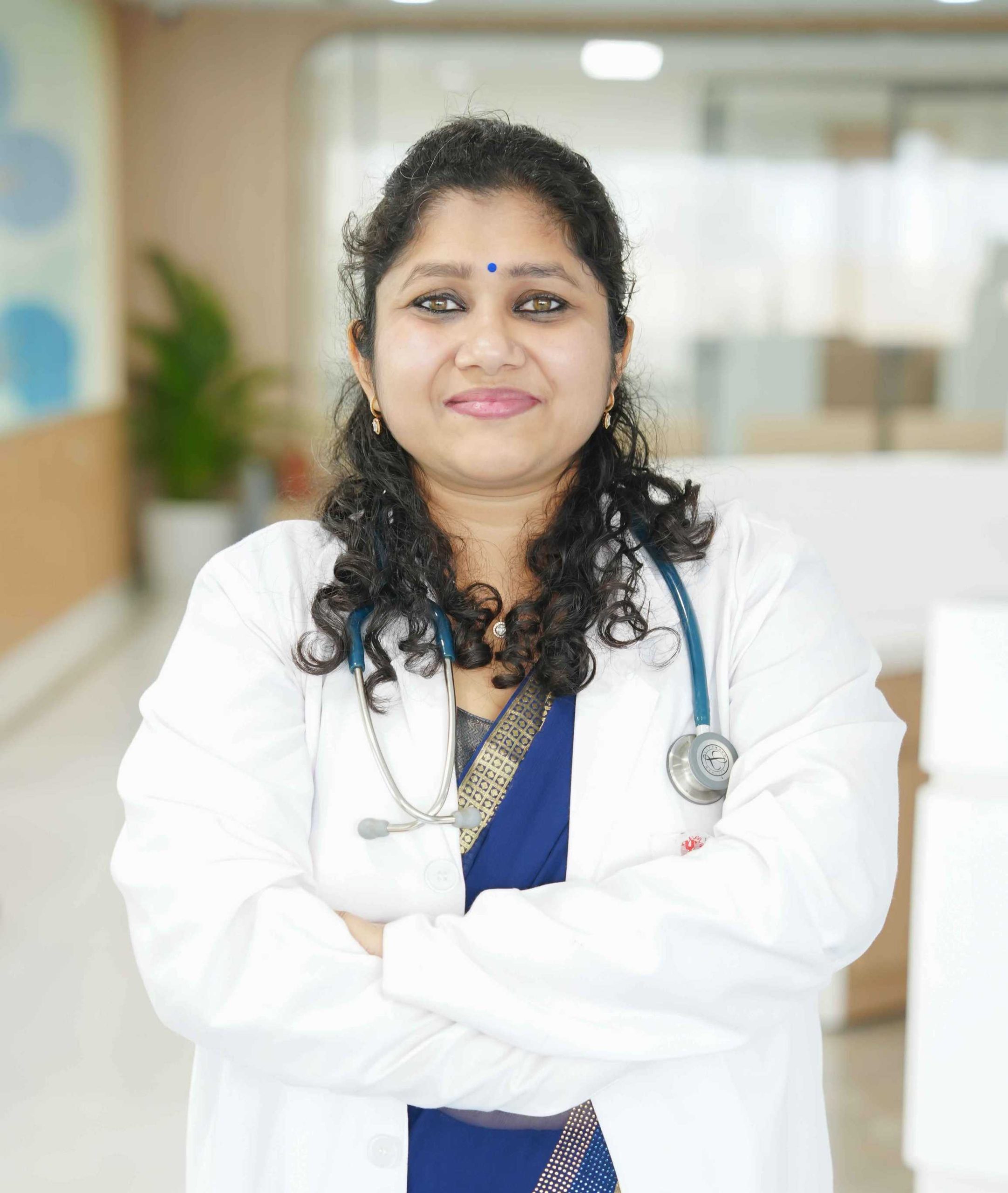
Dr. Penzy Goyal is an obstetrician and gynaecologist at SR Hospital. Alongside her MS in Obstetrics & Gynaecology and DNB, she holds the MRCOG (Royal College of Obstetricians and Gynaecologists, UK) and FICRS qualifications. She looks after women through pregnancy and birth, and treats a wide range of gynaecological conditions.
OPD timings can change. The hospital confirms availability when you book. Gynaecology →
MBBS, MS (OBG)
Dr. Bhoomika Upadhyay is an obstetrician and gynaecologist with an MS in Obstetrics & Gynaecology. She provides pregnancy care, delivery support and consultations for everyday women's health concerns.
OPD timings can change. The hospital confirms availability when you book. Gynaecology →
OPD timings vary. The hospital confirms doctor availability when you book. See all doctors →
Some blood tests need fasting. Ask when you book.
PCOS care is mostly outpatient. The total depends on:
Don’t see your question? Send it to us and our team will call you back.
Ask a questionIn everyday use in India, PCOD and PCOS often refer to the same condition. Medically, PCOS (polycystic ovary syndrome) is a hormonal and metabolic syndrome diagnosed using set criteria, while "PCOD" is an informal term. Your gynaecologist will confirm what applies to you.
PCOS can't be permanently cured, but it can be managed well. Most women control their symptoms with lifestyle changes and, where needed, medication planned around their goal: regular periods, clearer skin, weight control or pregnancy.
Yes. Many women with PCOS conceive, naturally or with treatment that helps ovulation. If you've been trying for 12 months (or 6 months if you're over 35), or your periods are very irregular, see a gynaecologist early.
Usually a consultation and examination, blood tests for hormones, thyroid, prolactin, sugar and cholesterol as advised, and a pelvic ultrasound. Your doctor decides which tests are needed.
For women who are overweight, losing even 5–10% of body weight can improve cycle regularity, ovulation and insulin resistance. Women at a healthy weight can also have PCOS and are treated based on their symptoms.
Outpatient consultations and tests are often not covered, but this depends on your policy. Our help desk can check your insurer or TPA before planned procedures.
Book a consultation with the right gynaecologist at SR Hospital, Khora Colony, near Noida Sector 62.