
Regular contractions
Tightenings that come at regular intervals and get stronger and closer together.
Hoping for a natural birth? Our obstetricians and labour team prepare you through pregnancy, stay with you through labour, and look after you and your baby in the first days after birth.

A normal delivery (vaginal birth) is when your baby is born through the birth canal, usually after labour begins on its own between 37 and 42 weeks. Most healthy pregnancies can aim for a normal delivery. Recovery is usually faster than after a C-section, and many mothers go home within 1–2 days.
Labour rarely starts like in films. These are the signs most women notice in the days or hours before birth.
Tightenings that come at regular intervals and get stronger and closer together.
A gush or steady trickle of fluid from the vagina that you can't control.
Sticky pink or brown mucus as the cervix starts to open.
A dull ache in the lower back that comes and goes with tightenings.
Breathing feels easier but you need to pass urine more often.
Irregular tightenings that ease with rest or a change of position.
Some women have an upset stomach as labour approaches.
A burst of energy or a feeling that something is changing.
A quick guide for the last weeks of pregnancy. If you're unsure at any point, call us. Our labour team would rather hear from you early.
Your obstetrician reviews your health and scans through pregnancy and confirms the safest way to give birth. These situations need a careful discussion and sometimes a planned C-section.
Every labour is different. First labours often take longer, sometimes 12 hours or more, and that's normal.
The cervix starts to open. Contractions are mild and irregular, and you can often rest at home.
Contractions get regular and strong. You're monitored in the labour room, and you and your baby's heartbeat are checked regularly.
Once the cervix is fully open, you push with contractions and your baby is born, guided by your doctor and nurses.
The placenta is delivered. Skin-to-skin contact and the first breastfeed happen as soon as possible.
Monitoring keeps you both safe: your baby’s heart rate and your progress are checked throughout labour. If labour slows or your baby needs help, the team will explain the options, which may include assisted birth or a C-section.
Choose a stage to see what we focus on and what you can do.
Preparation makes labour feel less frightening and more manageable.
There is no "right" way to cope with labour. Your team supports your choices as labour progresses.
Most mothers are up and walking within hours and go home in 1–2 days.
Link: Postnatal care →
Our paediatrician checks your baby and helps you feel confident before going home.
Link: Newborn care →
Medication and procedures are advised only after consultation. This page doesn't replace medical advice.
Small, steady habits in the last trimester help your body and confidence.


Your obstetrician plans your delivery, and our paediatrician looks after your baby from the moment they're born.
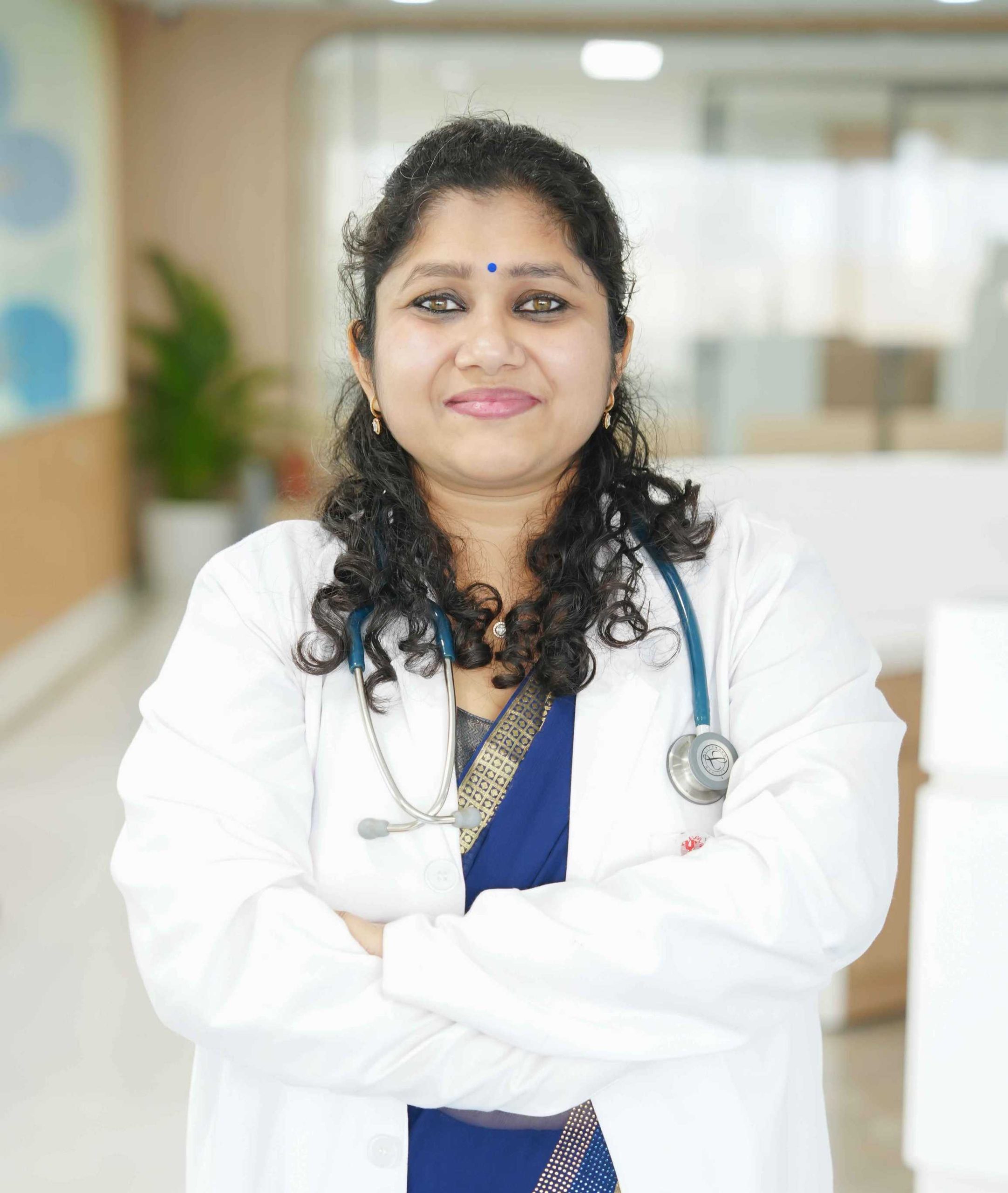 Gynaecology
MBBS, MS (OBG), DNB, MRCOG, FICRS
Focus: Pregnancy care, high-risk pregnancy, PCOS, gynaecological surgery
MBBS, MS (OBG), DNB, MRCOG, FICRS
Dr. Penzy Goyal is an obstetrician and gynaecologist at SR Hospital. Alongside her MS in Obstetrics & Gynaecology and DNB, she holds the MRCOG (Royal College of Obstetricians and Gynaecologists, UK) and FICRS qualifications. She looks after women through pregnancy and birth, and treats a wide range of gynaecological conditions.
OPD timings can change. The hospital confirms availability when you book. Gynaecology →
MBBS, MS (OBG)
Dr. Bhoomika Upadhyay is an obstetrician and gynaecologist with an MS in Obstetrics & Gynaecology. She provides pregnancy care, delivery support and consultations for everyday women's health concerns.
OPD timings can change. The hospital confirms availability when you book. Gynaecology →
 Paediatrics
MBBS, MD (Paediatrics)
Dr. Neha Garg is a paediatrician (MD Paediatrics) caring for newborns, infants and children. She helps parents with vaccinations, growth, nutrition and childhood illnesses.
OPD timings can change. The hospital confirms availability when you book. Paediatrics →
OPD timings vary. The hospital confirms doctor availability when you book. See all doctors →
Planning to use insurance? Contact our TPA desk a few weeks before your due date.
Delivery costs depend on your care and stay. The main factors are:
Don’t see your question? Send it to us and our team will call you back.
Ask a questionFirst labours often last 12 hours or more from the start of regular contractions. Later labours are usually shorter. Your team monitors your progress throughout.
Come in or call when contractions are regular, around every 5 minutes for an hour, or straight away if your waters break, you bleed, your baby moves less, or you have a severe headache.
It may be possible for some women, depending on the reason for the earlier C-section, the type of scar and your current pregnancy. Your obstetrician will advise after reviewing your records.
Yes. Options range from breathing, movement and massage to medicines your doctor may suggest. Ask your obstetrician during pregnancy which options suit you, including whether an epidural is available.
Most mothers go home within 1–2 days if mother and baby are well.
Many policies cover maternity after a waiting period, often with a limit. Check with your insurer and our TPA desk before your due date.
Start with a consultation with our obstetricians at SR Hospital, Khora Colony, near Noida Sector 62.