
Breathing failure
Severe pneumonia, asthma or COPD attacks needing oxygen or breathing support.
Round-the-clock intensive care for seriously ill patients, led by anaesthesia and critical-care specialists, with emergency, lab and imaging support in the same hospital and regular updates for families.
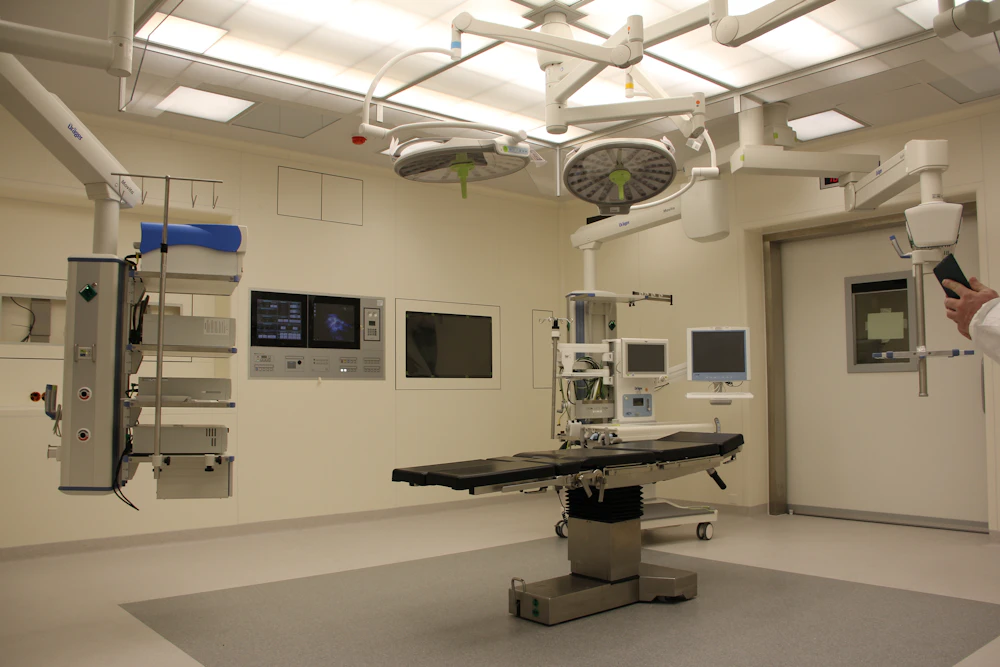
An Intensive Care Unit (ICU) is a special hospital area for patients who are seriously ill or recovering from major surgery and need constant monitoring and support for breathing, heart or other vital functions. Patients are watched closely by doctors and nurses trained in critical care, with equipment that tracks their condition minute by minute.
The critical-care team decides on ICU admission after assessing the patient in emergency or on the ward.
Severe pneumonia, asthma or COPD attacks needing oxygen or breathing support.
Infection affecting blood pressure and how organs work.
Heart attack, dangerous heart rhythms or heart failure.
Sudden weakness, loss of speech, fits or loss of consciousness.
Very high or very low sugar with drowsiness or vomiting.
Close monitoring after complex or emergency operations.
Severe BP, heavy bleeding or other problems around childbirth.
Low platelets with bleeding, shock, or serious poisoning.
This isn't a diagnosis. If you're unsure, treat it as an emergency and call us.
Many serious conditions respond best when treated in the first hours. Delays can cause lasting harm.
Each patient has a care plan reviewed by the critical-care team every day.
Doctors stabilise the patient with oxygen, fluids, medicines and urgent tests.
The patient moves to the ICU with continuous heart, BP and oxygen monitoring.
Critical-care doctors, specialists and nurses review progress and adjust treatment.
As the patient improves, they move to a ward and then home with a follow-up plan.
Specialists work together: the ICU team coordinates with physicians, surgeons, gynaecologists, nephrologists and other consultants, so patients get the right expertise without being moved.
Choose a topic to see what the ICU team does and what families can expect.
Vital signs are watched continuously so changes are caught early.
For patients whose lungs need support.
Treatment that keeps vital organs working while the body recovers.
Recovery continues on the ward and at home.
Treatment is decided by the critical-care team after assessment. Bed availability is confirmed by the hospital.
Having someone in intensive care is stressful. These tips help.
Our ICU is led by doctors trained in anaesthesia and critical care, working with every department in the hospital.
MBBS, MD (Anaesthesia and Critical Care)
Dr. Vinod Yadav is an anaesthesia and critical-care specialist (MD) who looks after critically ill patients and provides safe anaesthesia for surgery.
OPD timings can change. The hospital confirms availability when you book. ICU & Critical Care →
MBBS, MD (Anaesthesia and Critical Care)
Dr. Anshul Gaur is an anaesthesia and critical-care specialist (MD) providing intensive care and anaesthesia services.
OPD timings can change. The hospital confirms availability when you book. ICU & Critical Care →
OPD timings vary. The hospital confirms doctor availability when you book. See all doctors →
In an emergency, come first. Paperwork can follow.
ICU costs depend on the level of care. The main factors are:
Don’t see your question? Send it to us and our team will call you back.
Ask a questionWhen a serious illness or major surgery needs continuous monitoring and support for breathing, heart, blood pressure or other organs. The critical-care team decides after assessing the patient.
Visiting is limited to protect patients from infection, and timings are set by the hospital. One family member is chosen to receive regular updates from the ICU team.
The ICU team updates the family regularly and whenever there is an important change. Ask the nurse to arrange a talk with the doctor.
Most health insurance policies cover ICU care, subject to policy terms and limits. Our TPA desk helps with pre-authorisation and documents.
Call the hospital or an ambulance (108 or 112) and bring the patient to emergency. Keep their medicines and reports ready.
Often, yes. Call us first so the team can check bed availability and prepare for the transfer.
For emergencies, call us or come straight to SR Hospital, Khora Colony, near Noida Sector 62. For planned admissions or transfers, send an enquiry.