
Pneumonia & meningitis
Pneumococcal (PCV) and Hib vaccines protect against major causes.
From birth vaccines to the pre-teen HPV dose, our paediatrician helps you keep your child's vaccines on schedule, catches up on missed doses, and answers your questions.

Vaccines train your child’s immune system to fight serious infections before they meet them. Giving each dose at the right age gives the best protection, when children are most at risk. Most vaccines need more than one dose, so following the schedule matters.
Many of these infections are now rare because of vaccines, but they still circulate, and they can be severe in babies.
Pneumococcal (PCV) and Hib vaccines protect against major causes.
Rotavirus vaccine prevents dehydrating diarrhoea in infants.
MMR protects against these highly infectious diseases.
DTP vaccines protect against pertussis, diphtheria and tetanus.
IPV and OPV keep polio away for good.
Protect the liver from long-term infection.
Typhoid conjugate vaccine protects against a common Indian infection.
HPV vaccine at 9–14 years prevents cancers in adulthood.
Choose your child's age to see the vaccines usually given at that visit, based on Indian Academy of Paediatrics (IAP) recommendations. Free vaccines under the government programme follow a similar schedule.
Most visits take 30–45 minutes, including the short wait after the injection.
Bring the vaccination card. We check which doses are due and if any were missed.
Weight, temperature and a short check. Tell us about fever, allergies or past reactions.
The vaccine is given and your child's card and our records are updated.
You wait 15–30 minutes for observation and get the date of the next dose.
Free and optional vaccines: some vaccines are free under the government’s Universal Immunisation Programme, others are optional. Our paediatrician will explain the options so you can decide.
Pick a topic for practical, paediatrician-backed tips.
A little preparation makes the visit smoother for your child.
A calm parent helps a calm child.
Most children are back to normal within a day or two.
It happens, and the protection can be completed.
Medication and procedures are advised only after consultation. This page doesn't replace medical advice.
Simple habits keep your child protected and the visits stress-free.
Every dose comes with a quick health check, growth monitoring and time for your questions.
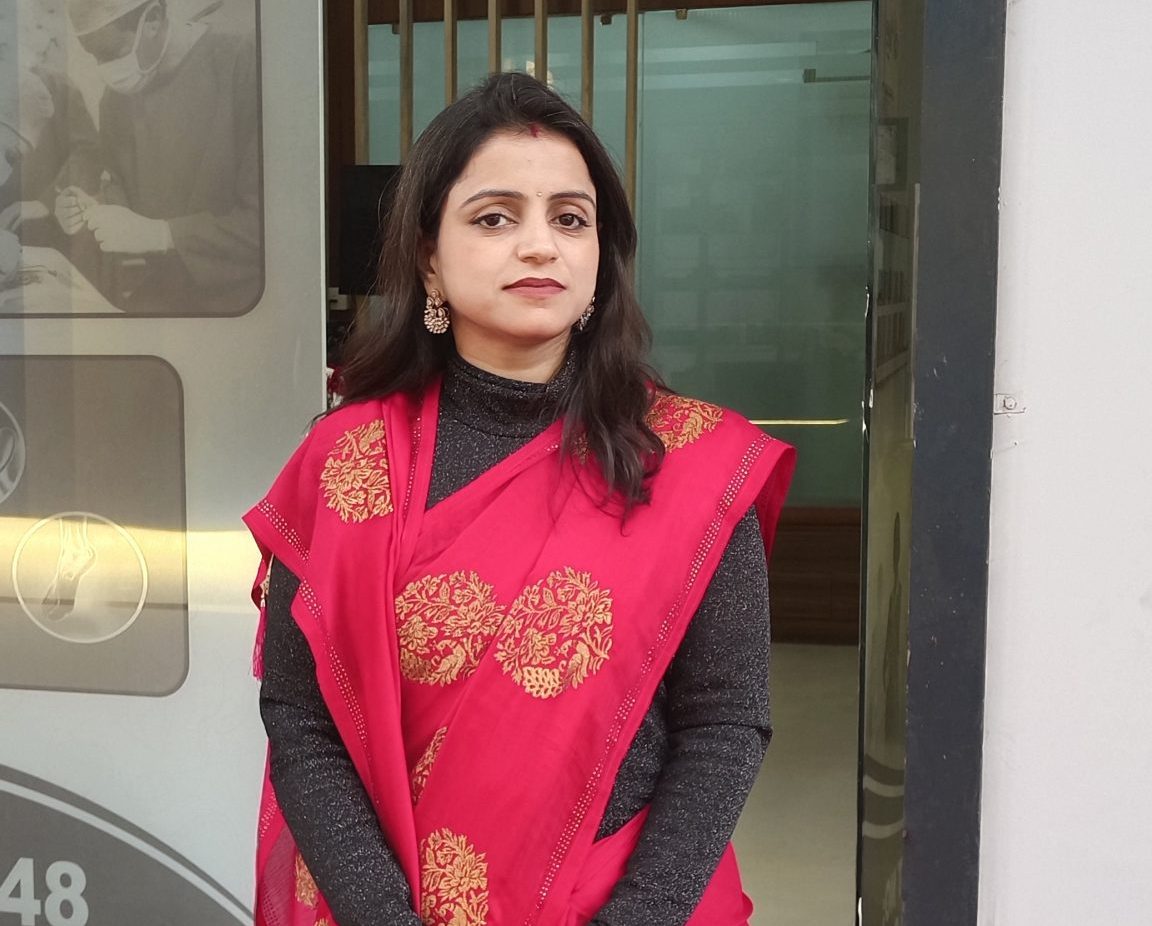 Paediatrics
MBBS, MD (Paediatrics)
Dr. Neha Garg is a paediatrician (MD Paediatrics) caring for newborns, infants and children. She helps parents with vaccinations, growth, nutrition and childhood illnesses.
OPD timings can change. The hospital confirms availability when you book. Paediatrics →
OPD timings vary. The hospital confirms doctor availability when you book. See all doctors →
Ask when booking if a specific vaccine needs to be arranged in advance.
Vaccination costs vary by:
Don’t see your question? Send it to us and our team will call you back.
Ask a questionAt 6 weeks babies usually receive DTP, IPV, Hib, Hepatitis B, Rotavirus and Pneumococcal (PCV) vaccines. Several of these are often given as one combination injection. Your paediatrician will confirm based on earlier doses.
Don't restart the series. Bring your child's vaccination card and our paediatrician will make a catch-up plan for the pending doses.
A mild fever and fussiness for a day or two is common. Give fever medicine only as advised by your doctor. Call us if fever lasts more than 48 hours or your child seems very unwell.
They differ in the whooping cough part of the DTP vaccine. Both protect well. The "painless" (acellular) type usually causes fewer side effects like fever and swelling.
The HPV vaccine is recommended from 9 to 14 years and protects against cervical and some other cancers later in life. Discuss the right time with our paediatrician.
Please call or WhatsApp before coming so we can check that the vaccine you need is available and keep your waiting time short.
Book a vaccination visit with our paediatrician at SR Hospital, Khora Colony, near Noida Sector 62.